
VIDEOS
How Does a Tiny Seed Become a Plant?
#PlantLifeCycle #ScienceForKids #HowSeedsGrow #NatureEducation #Homeschooling #KindergartenScience
👨👩👧👦 For Parents & Teachers: This video covers key biology concepts for early elementary science:
* Requirements for growth (Water, Warmth, Air).
* Parts of a plant (Roots, Stem, Leaves, Flowers).
* Vocabulary introduction (Germination, Photosynthesis).
⏱️ Video Chapters:
00:00:00 - Intro: The Magic of Seeds
00:00:08 - From Seed to Plant
00:00:24 - The Sleepy Seed (What does it need?)
00:01:22 - What is Germination? (Waking Up)
00:01:45 - Growing Roots & Shoots
00:02:29 - The Seedling & First Leaves
00:03:03 - Photosynthesis: The Plant's Kitchen ☀️
00:03:36 - The Grown-Up Plant & Flowers
00:04:17 - The Cycle Begins Again
00:04:57 - Thank You
00:05:15 - Outtro
If you enjoyed this nature adventure, please LIKE and SUBSCRIBE for more easy learning videos!Show More

Now Playing
How Does a Tiny Seed Become a Plant?
Hello there ...
Hello there Super Kids! 🌟 Ever wonder how a tiny seed becomes a big plant? Join us as we explore the amazing life cycle of a plant! We'll follow its ...journey from a sleepy seed all the way through germination to become tiny sprouts and beyond, showing the incredible seed to harvest process. This video makes learning about nature fun and easy! Don't forget to SUBSCRIBE for more fun learning adventures!
#PlantLifeCycle #ScienceForKids #HowSeedsGrow #NatureEducation #Homeschooling #KindergartenScience
👨👩👧👦 For Parents & Teachers: This video covers key biology concepts for early elementary science:
* Requirements for growth (Water, Warmth, Air).
* Parts of a plant (Roots, Stem, Leaves, Flowers).
* Vocabulary introduction (Germination, Photosynthesis).
⏱️ Video Chapters:
00:00:00 - Intro: The Magic of Seeds
00:00:08 - From Seed to Plant
00:00:24 - The Sleepy Seed (What does it need?)
00:01:22 - What is Germination? (Waking Up)
00:01:45 - Growing Roots & Shoots
00:02:29 - The Seedling & First Leaves
00:03:03 - Photosynthesis: The Plant's Kitchen ☀️
00:03:36 - The Grown-Up Plant & Flowers
00:04:17 - The Cycle Begins Again
00:04:57 - Thank You
00:05:15 - Outtro
If you enjoyed this nature adventure, please LIKE and SUBSCRIBE for more easy learning videos!Show More
#PlantLifeCycle #ScienceForKids #HowSeedsGrow #NatureEducation #Homeschooling #KindergartenScience
👨👩👧👦 For Parents & Teachers: This video covers key biology concepts for early elementary science:
* Requirements for growth (Water, Warmth, Air).
* Parts of a plant (Roots, Stem, Leaves, Flowers).
* Vocabulary introduction (Germination, Photosynthesis).
⏱️ Video Chapters:
00:00:00 - Intro: The Magic of Seeds
00:00:08 - From Seed to Plant
00:00:24 - The Sleepy Seed (What does it need?)
00:01:22 - What is Germination? (Waking Up)
00:01:45 - Growing Roots & Shoots
00:02:29 - The Seedling & First Leaves
00:03:03 - Photosynthesis: The Plant's Kitchen ☀️
00:03:36 - The Grown-Up Plant & Flowers
00:04:17 - The Cycle Begins Again
00:04:57 - Thank You
00:05:15 - Outtro
If you enjoyed this nature adventure, please LIKE and SUBSCRIBE for more easy learning videos!Show More

Now Playing
Earth for Kids | Learn all about our own beautiful planet
Did you know ...
Did you know that the Earth isn’t completely sphere-shaped? Your kids will learn this interesting fact and others in this video about the third planet from the sun—Earth!
Earth is the ...only planet we know that supports life. Its liquid water, atmosphere, ecosystems, and various living creatures set it apart in the solar system. What’s in a name? Well, Earth got its name from the Old English word, eorðe which means ground or soil. Pretty fitting, don’t you think?
Earth is the fifth-largest planet in our solar system. About 70% of its surface is covered in water. The remaining thirty percent is covered in land with many different types of geographic features.
We hope you and your student(s) enjoyed learning about Earth! If you want even more information, head over to our website and download one of our many free lesson plans, full of activities, worksheets, and more!
https://learnbright.org/lessons/science/planets-earth/
https://learnbright.org/lessons/science/planets-introduction/
Thank you for watching and learning with us! We’re constantly releasing new content and videos so click that “Subscribe” button and you’ll notified.
What you will learn in Earth for Kids:
0:00 Introduction
0:21 fun facts about Earth
1:15 Color and environments
1:56 Ever-changing planet
2:39 Atmosphere and life on Earth
3:14 Oblate spheroid
4:03 The moon of Earth and how it affects the planet
Find and Follow Us Online:
Facebook: https://www.facebook.com/LearnBright/
Instagram: https://instagram.com/LearnBrightEducation
Pinterest: https://pinterest.com/LearnBrightEducation
YouTube: https://www.youtube.com/LearnBright
Website: https://learnbright.org/
*Teachers and Parents! Did you know? In addition to these great videos, we have also created a library of high quality and engaging lessons for your elementary aged student(s). Visit us, sign up for a free account, and instantly you'll have access to thousands of lesson plans, learning materials, teaching instructions, activities, and assignments that your kids will really enjoy! We hope to see you soon!
Browse our entire collection of Science lesson plans: https://learnbright.org/lessons/?filter_subject=science
#earth
#earthforkidsShow More
Earth is the ...only planet we know that supports life. Its liquid water, atmosphere, ecosystems, and various living creatures set it apart in the solar system. What’s in a name? Well, Earth got its name from the Old English word, eorðe which means ground or soil. Pretty fitting, don’t you think?
Earth is the fifth-largest planet in our solar system. About 70% of its surface is covered in water. The remaining thirty percent is covered in land with many different types of geographic features.
We hope you and your student(s) enjoyed learning about Earth! If you want even more information, head over to our website and download one of our many free lesson plans, full of activities, worksheets, and more!
https://learnbright.org/lessons/science/planets-earth/
https://learnbright.org/lessons/science/planets-introduction/
Thank you for watching and learning with us! We’re constantly releasing new content and videos so click that “Subscribe” button and you’ll notified.
What you will learn in Earth for Kids:
0:00 Introduction
0:21 fun facts about Earth
1:15 Color and environments
1:56 Ever-changing planet
2:39 Atmosphere and life on Earth
3:14 Oblate spheroid
4:03 The moon of Earth and how it affects the planet
Find and Follow Us Online:
Facebook: https://www.facebook.com/LearnBright/
Instagram: https://instagram.com/LearnBrightEducation
Pinterest: https://pinterest.com/LearnBrightEducation
YouTube: https://www.youtube.com/LearnBright
Website: https://learnbright.org/
*Teachers and Parents! Did you know? In addition to these great videos, we have also created a library of high quality and engaging lessons for your elementary aged student(s). Visit us, sign up for a free account, and instantly you'll have access to thousands of lesson plans, learning materials, teaching instructions, activities, and assignments that your kids will really enjoy! We hope to see you soon!
Browse our entire collection of Science lesson plans: https://learnbright.org/lessons/?filter_subject=science
#earth
#earthforkidsShow More

Now Playing
Saturn for Kids | Learn fun facts about the sixth planet from the sun
How much do you ...
How much do you know about the planet Saturn? You’re probably familiar with its iconic rings, but did you know that it also has the most moons of any planet ...in our solar system? This video for kids shares some interesting facts about the sixth planet from the Sun, Saturn!
Named after the Roman god of agriculture, Saturn is about eight hundred and ninety million miles away from Earth. That is so far away that it takes light over an hour to travel from Saturn to our planet! Like Jupiter, Saturn is a gas giant. That means that it is mostly made up of hydrogen and helium gas, which are the same elements as the stars! The planet has soft yellow, gold, and white colors swirling all around.
Saturn’s most iconic feature is its rings. They shine brightly because they reflect sunlight. Even though they appear solid, they are actually made up of billions of small pieces of ice and rock. Some pieces are as tiny as grains of sand, and others are as big as houses! They all move around Saturn in various patterns, forming bands millions of miles wide.
We hope you and your student(s) enjoyed learning about Saturn! If you want even more information, head over to our website and download one of our many free lesson plans, full of activities, worksheets, and more!
https://learnbright.org/lessons/science/planets-saturn/
https://learnbright.org/lessons/science/planets-introduction/
Thank you for watching and learning with us! We’re constantly releasing new content and videos so click that “Subscribe” button and you’ll notified.
What you will learn in Saturn for Kids:
0:00 Introduction to Saturn
1:47 Iconic features
2:48 Weather on Saturn
3:44 Saturn's moons and their geography
4:28 Could Saturn support life?
Find and Follow Us Online:
Facebook: https://www.facebook.com/LearnBright/
Instagram: https://instagram.com/LearnBrightEducation
Pinterest: https://pinterest.com/LearnBrightEducation
YouTube: https://www.youtube.com/LearnBright
Website: https://learnbright.org/
*Teachers and Parents! Did you know? In addition to these great videos, we have also created a library of high quality and engaging lessons for your elementary aged student(s). Visit us, sign up for a free account, and instantly you'll have access to thousands of lesson plans, learning materials, teaching instructions, activities, and assignments that your kids will really enjoy! We hope to see you soon!
Browse our entire collection of Science lesson plans: https://learnbright.org/lessons/?filter_subject=science
#saturn
#planets
#solarsystemShow More
Named after the Roman god of agriculture, Saturn is about eight hundred and ninety million miles away from Earth. That is so far away that it takes light over an hour to travel from Saturn to our planet! Like Jupiter, Saturn is a gas giant. That means that it is mostly made up of hydrogen and helium gas, which are the same elements as the stars! The planet has soft yellow, gold, and white colors swirling all around.
Saturn’s most iconic feature is its rings. They shine brightly because they reflect sunlight. Even though they appear solid, they are actually made up of billions of small pieces of ice and rock. Some pieces are as tiny as grains of sand, and others are as big as houses! They all move around Saturn in various patterns, forming bands millions of miles wide.
We hope you and your student(s) enjoyed learning about Saturn! If you want even more information, head over to our website and download one of our many free lesson plans, full of activities, worksheets, and more!
https://learnbright.org/lessons/science/planets-saturn/
https://learnbright.org/lessons/science/planets-introduction/
Thank you for watching and learning with us! We’re constantly releasing new content and videos so click that “Subscribe” button and you’ll notified.
What you will learn in Saturn for Kids:
0:00 Introduction to Saturn
1:47 Iconic features
2:48 Weather on Saturn
3:44 Saturn's moons and their geography
4:28 Could Saturn support life?
Find and Follow Us Online:
Facebook: https://www.facebook.com/LearnBright/
Instagram: https://instagram.com/LearnBrightEducation
Pinterest: https://pinterest.com/LearnBrightEducation
YouTube: https://www.youtube.com/LearnBright
Website: https://learnbright.org/
*Teachers and Parents! Did you know? In addition to these great videos, we have also created a library of high quality and engaging lessons for your elementary aged student(s). Visit us, sign up for a free account, and instantly you'll have access to thousands of lesson plans, learning materials, teaching instructions, activities, and assignments that your kids will really enjoy! We hope to see you soon!
Browse our entire collection of Science lesson plans: https://learnbright.org/lessons/?filter_subject=science
#saturn
#planets
#solarsystemShow More

Now Playing
What Is Lightning? for Kids | STEM ACTIVITY | Learn how lightning works
Why does ...
Why does lightning and thunder happen? Did you know thunder is the sound of lightning? In this video for kids, you'll learn about the science behind how and why lightning ...occurs. When lightning strikes, it's incredibly bright. The bright flash is caused by the rapid heating of the air around the lightning bolt. The air gets so hot that it expands quickly, making the loud noise we hear as thunder. Thunder is the sound of the air rushing back to its normal state after being heated. This is why thunder can rumble and roll for a long time.
Lightning actually plays a vital role in nature. It helps produce nitrogen compounds in the atmosphere. Plants need nitrogen to grow; lightning helps make this nitrogen available in the soil. So, in a way, lightning helps plants grow and keeps the environment healthy!
Scientists use special tools to study lightning. One tool is called a lightning detector. It can sense when lightning strikes and where it happens. This helps meteorologists, the scientists who study weather, predict storms and keep people safe. Lightning detectors are often used in weather stations to monitor storms and provide warnings.
We hope you and your student(s) enjoyed learning about this flashy phenomenon! If you want to learn even more, head over to our website and download one of our many lesson plans, full of activities, worksheets, and more!
https://learnbright.org/lessons/science/science-of-lightning/
Thank you for watching and learning with us! We’re constantly releasing new content and videos, so click that “Subscribe” button and you’ll get notified.
What you will learn in What Is Lightning? for Kids:
0:00 Introduction
0:18 What exactly is lightning?
1:03 Four types of lightning and the cause of thunder
1:50 STEM activity
Find and Follow Us Online:
Facebook: https://www.facebook.com/LearnBright/
Instagram: https://instagram.com/LearnBrightEducation
Pinterest: https://pinterest.com/LearnBrightEducation
YouTube: @LearnBright
Website: https://learnbright.org/
*Teachers and Parents! Did you know? In addition to these great videos, we have also created a library of high-quality and engaging lessons for your elementary aged student(s). Visit us, sign up for a free account, and instantly you'll have access to thousands of lesson plans, learning materials, teaching instructions, activities, and assignments that your kids will really enjoy! We hope to see you soon!
Browse our entire collection of Science lesson plans: https://learnbright.org/lessons/?filter_subject=science
#lightning
#thunder
#scienceShow More
Lightning actually plays a vital role in nature. It helps produce nitrogen compounds in the atmosphere. Plants need nitrogen to grow; lightning helps make this nitrogen available in the soil. So, in a way, lightning helps plants grow and keeps the environment healthy!
Scientists use special tools to study lightning. One tool is called a lightning detector. It can sense when lightning strikes and where it happens. This helps meteorologists, the scientists who study weather, predict storms and keep people safe. Lightning detectors are often used in weather stations to monitor storms and provide warnings.
We hope you and your student(s) enjoyed learning about this flashy phenomenon! If you want to learn even more, head over to our website and download one of our many lesson plans, full of activities, worksheets, and more!
https://learnbright.org/lessons/science/science-of-lightning/
Thank you for watching and learning with us! We’re constantly releasing new content and videos, so click that “Subscribe” button and you’ll get notified.
What you will learn in What Is Lightning? for Kids:
0:00 Introduction
0:18 What exactly is lightning?
1:03 Four types of lightning and the cause of thunder
1:50 STEM activity
Find and Follow Us Online:
Facebook: https://www.facebook.com/LearnBright/
Instagram: https://instagram.com/LearnBrightEducation
Pinterest: https://pinterest.com/LearnBrightEducation
YouTube: @LearnBright
Website: https://learnbright.org/
*Teachers and Parents! Did you know? In addition to these great videos, we have also created a library of high-quality and engaging lessons for your elementary aged student(s). Visit us, sign up for a free account, and instantly you'll have access to thousands of lesson plans, learning materials, teaching instructions, activities, and assignments that your kids will really enjoy! We hope to see you soon!
Browse our entire collection of Science lesson plans: https://learnbright.org/lessons/?filter_subject=science
#lightning
#thunder
#scienceShow More
Now Playing
What Is AI? | Learn all about artificial intelligence
What exactly is ...
What exactly is artificial intelligence? Did you know there are different levels? This video for kids discusses how people use AI and outlines some of the the pros and cons ...of using it.
If you have used Siri or Google Assistant, or asked a question to Alexa, then you are using a form of artificial intelligence. These all use voice recognition and machine learning to answer questions and respond to requests. If you have ever contacted customer service online to get help, then more than likely, your conversation began with a chatbot, a computer-designed program that simulates human conversation. Chatbots were not always considered AI because they could not learn or adapt. However, chatbots have recently become more sophisticated and are increasingly using the power of AI learning.
There are several beneficial uses for AI, and even more when you pair AI with robotics. For example, we are automating tasks that are unsafe for humans, like mixing toxic chemicals. Many of the products we use today incorporate some form of AI in making the products. But AI is expensive, it can be weaponized, and it can result in the loss of jobs for humans, among other things. While none of us can predict the future, AI is here. What we cannot do is overestimate the power of good or underestimate the potential for disaster. Do the pros outweigh the cons? You'll have to decide!
We hope you and your student(s) enjoyed learning about artificial intelligence! If you want to learn even more, head over to our website and download one of our many lesson plans, full of activities, worksheets, and more!
https://learnbright.org/lessons/science/artificial-intelligence/
Thank you for watching and learning with us! We’re constantly releasing new content and videos, so click that “Subscribe” button and you’ll get notified.
What you will learn in What Is AI?:
0:00 Introduction
0:26 What is artificial intelligence?
1:11 ANI, AGI, and ASI
2:06 Pros of using AI
3:11 Cons of using AI
4:08 Review of the facts
Find and Follow Us Online:
Facebook: https://www.facebook.com/LearnBright/
Instagram: https://instagram.com/LearnBrightEducation
Pinterest: https://pinterest.com/LearnBrightEducation
YouTube: @LearnBright
Website: https://learnbright.org/
*Teachers and Parents! Did you know? In addition to these great videos, we have also created a library of high-quality and engaging lessons for your elementary aged student(s). Visit us, sign up for a free account, and instantly you'll have access to thousands of lesson plans, learning materials, teaching instructions, activities, and assignments that your kids will really enjoy! We hope to see you soon!
Browse our entire collection of Science lesson plans: https://learnbright.org/lessons/?filter_subject=science
#ai
#artificialintelligence
#aiforkidsShow More
If you have used Siri or Google Assistant, or asked a question to Alexa, then you are using a form of artificial intelligence. These all use voice recognition and machine learning to answer questions and respond to requests. If you have ever contacted customer service online to get help, then more than likely, your conversation began with a chatbot, a computer-designed program that simulates human conversation. Chatbots were not always considered AI because they could not learn or adapt. However, chatbots have recently become more sophisticated and are increasingly using the power of AI learning.
There are several beneficial uses for AI, and even more when you pair AI with robotics. For example, we are automating tasks that are unsafe for humans, like mixing toxic chemicals. Many of the products we use today incorporate some form of AI in making the products. But AI is expensive, it can be weaponized, and it can result in the loss of jobs for humans, among other things. While none of us can predict the future, AI is here. What we cannot do is overestimate the power of good or underestimate the potential for disaster. Do the pros outweigh the cons? You'll have to decide!
We hope you and your student(s) enjoyed learning about artificial intelligence! If you want to learn even more, head over to our website and download one of our many lesson plans, full of activities, worksheets, and more!
https://learnbright.org/lessons/science/artificial-intelligence/
Thank you for watching and learning with us! We’re constantly releasing new content and videos, so click that “Subscribe” button and you’ll get notified.
What you will learn in What Is AI?:
0:00 Introduction
0:26 What is artificial intelligence?
1:11 ANI, AGI, and ASI
2:06 Pros of using AI
3:11 Cons of using AI
4:08 Review of the facts
Find and Follow Us Online:
Facebook: https://www.facebook.com/LearnBright/
Instagram: https://instagram.com/LearnBrightEducation
Pinterest: https://pinterest.com/LearnBrightEducation
YouTube: @LearnBright
Website: https://learnbright.org/
*Teachers and Parents! Did you know? In addition to these great videos, we have also created a library of high-quality and engaging lessons for your elementary aged student(s). Visit us, sign up for a free account, and instantly you'll have access to thousands of lesson plans, learning materials, teaching instructions, activities, and assignments that your kids will really enjoy! We hope to see you soon!
Browse our entire collection of Science lesson plans: https://learnbright.org/lessons/?filter_subject=science
#ai
#artificialintelligence
#aiforkidsShow More
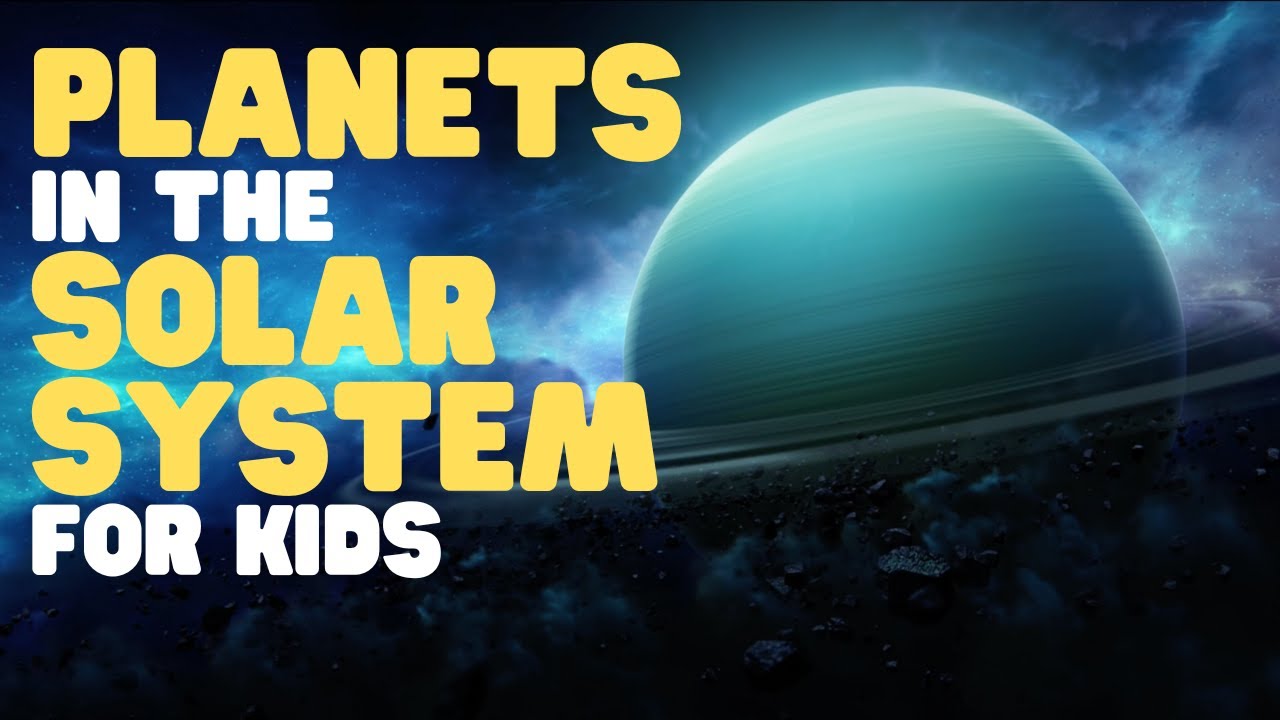
Now Playing
Planets in the Solar System for Kids | Learn about the sun and the eight planets
NOTE: Since the ...
NOTE: Since the publishing of this video, more moons have been found around Saturn, making it the planet with the most moons, not Jupiter.
How much do you know about the ...solar system? Did you know the sun is a star? How about the fact that other planets have rings like Saturn? In Planets in the Solar System for Kids, you will learn lots of cool facts about the sun and the planets that orbit it.
A solar system includes a star and the planets and other space objects that travel around it. Our solar system has eight planets: Mercury, Venus, Earth, Mars, Jupiter, Saturn, Uranus, and Neptune. They all consist of different materials, like gases and rocks. Similarly, the sun is made up of hydrogen and helium gases. All the planets orbit around the sun at different speeds. As a result, some planets take shorter or longer than Earth’s typical 365 to fully revolve around the sun. Mercury only takes 88 days, but Neptune take an entire 165 years to orbit the sun!
The planets also rotate at different speeds. Earth takes 24 hours to rotate, so 24 hours equals a day. Comparing that to other planets, a “day” for Venus equals 243 days, yet Jupiter only takes 9.8 hours. Not all the planets rotate the same way either. Venus rotates in the opposite direction as most of the other planets. And Uranus rotates on its side.
Not all the planets have moons either, such as Venus. And other planets have more than just one. Jupiter has at least 79 moons! Saturn has at least 53 that astronomers have discovered so far. Cool fact about Saturn: Galileo saw Saturn through a telescope way back in the 1600s! Speaking of Saturn, it is known for its beautiful rings. Did you know Uranus and Jupiter have rings, too? Let’s see what else you learn!
We hope you and your student(s) enjoyed learning about our amazing solar system! If you want to learn even more, head over to our website and download one of our many free lesson plans about space, full of activities, worksheets, and more!
https://learnbright.org/lessons/science/the-solar-system/
https://learnbright.org/lessons/science/stars/
https://learnbright.org/lessons/science/asteroids-comets-meteors/
https://learnbright.org/lessons/science/eclipses/
https://learnbright.org/lessons/science/constellations/
https://learnbright.org/lessons/science/galaxies/
What you will learn in Planets in the Solar System for Kids:
0:00 Introduction to our solar system
0:28 Facts about the sun
1:40 Orbits and rotations of the different planets
2:50 Mercury
3:25 Venus and Earth
4:41 Mars
5:59 Review of the first four planets
6:37 Jupiter
7:23 Saturn
8:08 Uranus
9:05 Neptune
10:08 Review of last four planets
Thank you for watching and learning with us! We’re constantly releasing new content and videos, so click that “Subscribe” button and you’ll get notified.
Find and Follow Us Online:
Facebook: https://www.facebook.com/LearnBright/
Instagram: https://instagram.com/LearnBrightEducation
Pinterest: https://pinterest.com/LearnBrightEducation
YouTube: @LearnBright
Website: https://learnbright.org/
*Teachers and Parents! Did you know? In addition to these great videos, we have also created a library of high-quality and engaging lessons for your elementary aged student(s). Visit us, sign up for a free account, and instantly you'll have access to thousands of lesson plans, learning materials, teaching instructions, activities, and assignments that your kids will really enjoy! We hope to see you soon!
Browse our entire collection of Science lesson plans: https://learnbright.org/lessons/?filter_subject=science
#SolarSystem
#PlanetsShow More
How much do you know about the ...solar system? Did you know the sun is a star? How about the fact that other planets have rings like Saturn? In Planets in the Solar System for Kids, you will learn lots of cool facts about the sun and the planets that orbit it.
A solar system includes a star and the planets and other space objects that travel around it. Our solar system has eight planets: Mercury, Venus, Earth, Mars, Jupiter, Saturn, Uranus, and Neptune. They all consist of different materials, like gases and rocks. Similarly, the sun is made up of hydrogen and helium gases. All the planets orbit around the sun at different speeds. As a result, some planets take shorter or longer than Earth’s typical 365 to fully revolve around the sun. Mercury only takes 88 days, but Neptune take an entire 165 years to orbit the sun!
The planets also rotate at different speeds. Earth takes 24 hours to rotate, so 24 hours equals a day. Comparing that to other planets, a “day” for Venus equals 243 days, yet Jupiter only takes 9.8 hours. Not all the planets rotate the same way either. Venus rotates in the opposite direction as most of the other planets. And Uranus rotates on its side.
Not all the planets have moons either, such as Venus. And other planets have more than just one. Jupiter has at least 79 moons! Saturn has at least 53 that astronomers have discovered so far. Cool fact about Saturn: Galileo saw Saturn through a telescope way back in the 1600s! Speaking of Saturn, it is known for its beautiful rings. Did you know Uranus and Jupiter have rings, too? Let’s see what else you learn!
We hope you and your student(s) enjoyed learning about our amazing solar system! If you want to learn even more, head over to our website and download one of our many free lesson plans about space, full of activities, worksheets, and more!
https://learnbright.org/lessons/science/the-solar-system/
https://learnbright.org/lessons/science/stars/
https://learnbright.org/lessons/science/asteroids-comets-meteors/
https://learnbright.org/lessons/science/eclipses/
https://learnbright.org/lessons/science/constellations/
https://learnbright.org/lessons/science/galaxies/
What you will learn in Planets in the Solar System for Kids:
0:00 Introduction to our solar system
0:28 Facts about the sun
1:40 Orbits and rotations of the different planets
2:50 Mercury
3:25 Venus and Earth
4:41 Mars
5:59 Review of the first four planets
6:37 Jupiter
7:23 Saturn
8:08 Uranus
9:05 Neptune
10:08 Review of last four planets
Thank you for watching and learning with us! We’re constantly releasing new content and videos, so click that “Subscribe” button and you’ll get notified.
Find and Follow Us Online:
Facebook: https://www.facebook.com/LearnBright/
Instagram: https://instagram.com/LearnBrightEducation
Pinterest: https://pinterest.com/LearnBrightEducation
YouTube: @LearnBright
Website: https://learnbright.org/
*Teachers and Parents! Did you know? In addition to these great videos, we have also created a library of high-quality and engaging lessons for your elementary aged student(s). Visit us, sign up for a free account, and instantly you'll have access to thousands of lesson plans, learning materials, teaching instructions, activities, and assignments that your kids will really enjoy! We hope to see you soon!
Browse our entire collection of Science lesson plans: https://learnbright.org/lessons/?filter_subject=science
#SolarSystem
#PlanetsShow More

Now Playing
NATURAL DISASTERS 🌊🌋 Compilation 💨⛈️ Hurricane, Drought, Tsunami, Storm, Earthquake, Avalanche...
Educational ...
Educational video for children to learn about natural phenomena and disasters. They will also learn how some of the most common natural disasters originate and how they affect us, such ...as: drought, earthquakes, avalanches, storms, tsunamis, heat waves, landslides, volcanic eruptions, volcanoes, hurricanes, tornadoes and wildfires.
This video is a great natural science resource for elementary education.
Thanks for visiting us! If you want your children to smile and learn, subscribe! 😀
If you like our videos, download Smile and Learn now. You’ll discover thousands of activities for children aged 3 to 12 yeards, all designed by educators. We have hundreds of games, interactive stories and videos in five languages: English, Spanish, Portuguese, Italian, Turkish and French. Try a month for free and start the adventure!
http://www.smileandlearn.comShow More
This video is a great natural science resource for elementary education.
Thanks for visiting us! If you want your children to smile and learn, subscribe! 😀
If you like our videos, download Smile and Learn now. You’ll discover thousands of activities for children aged 3 to 12 yeards, all designed by educators. We have hundreds of games, interactive stories and videos in five languages: English, Spanish, Portuguese, Italian, Turkish and French. Try a month for free and start the adventure!
http://www.smileandlearn.comShow More

Now Playing
Electricity for Kids | What is Electricity? Where does Electricity come from?
NOTE: We would ...
NOTE: We would like to correct an error in this video. Birds do not get electrocuted when resting on power lines because there is no path to ground. Electricity has ...to flow from a place of high potential to low potential to electrocute. If a bird were to touch the line and some grounded metal of some kind, they could be shocked.
Hello Teachers and Parents! In this video we will learn all about electricity. Your student(s) will learn about lightning, power plants, Direct Current (DC) and Alternating Current (AC). We even talk about when electricity was discovered and go over topics like conductors and insulators. By the time you are done watching this video your child will have a much better understanding of what electricity is, where it comes from, and the amazing things it can do.
We know that electricity can be a tricky topic to cover so throughout the video we provide really good examples and break down the complex ideas. We also have a complete lesson plan full of worksheets and activities that will help your student practice what they are learning. You can download for free here: https://learnbright.org/lessons/science/electricity/
In this video we will learn:
0:00 What is Electricity?
1:38 What is a Direct Current?
4:13 What is an Alternating Current?
5:55 How do Power Plants produce Electricity?
6:51 How do Magnets create Electricity?
7:33 What is Static Electricity?
8:35 What is a Conductor?
9:08 What is an Insulator?
10:21 When was Electricity Discovered?
11:31 Learning Activity | Can you solve the Electricity Riddle?
Check out some of our other electricity-related videos here:
Magnets: https://youtu.be/7HHs98PBgk0
Thank you for watching and learning with us! We’re constantly releasing new content and videos, so click that “Subscribe” button and you’ll get notified.
Find and Follow Us Online:
Facebook: https://www.facebook.com/LearnBright/
Instagram: https://instagram.com/LearnBrightEducation
Pinterest: https://pinterest.com/LearnBrightEducation
YouTube: @LearnBright
Website: https://learnbright.org/
*Teachers and Parents! Did you know? In addition to these great videos, we have also created a library of high quality and engaging lessons for your elementary aged student(s). Visit us, sign up for a free account, and instantly you'll have access to thousands of lesson plans, learning materials, teaching instructions, activities, and assignments that your kids will really enjoy! We hope to see you soon!
Browse our entire collection of Science lesson plans: https://learnbright.org/lessons/?filter_subject=science
#ElectricityForKids
#WhatIsElectricityShow More
Hello Teachers and Parents! In this video we will learn all about electricity. Your student(s) will learn about lightning, power plants, Direct Current (DC) and Alternating Current (AC). We even talk about when electricity was discovered and go over topics like conductors and insulators. By the time you are done watching this video your child will have a much better understanding of what electricity is, where it comes from, and the amazing things it can do.
We know that electricity can be a tricky topic to cover so throughout the video we provide really good examples and break down the complex ideas. We also have a complete lesson plan full of worksheets and activities that will help your student practice what they are learning. You can download for free here: https://learnbright.org/lessons/science/electricity/
In this video we will learn:
0:00 What is Electricity?
1:38 What is a Direct Current?
4:13 What is an Alternating Current?
5:55 How do Power Plants produce Electricity?
6:51 How do Magnets create Electricity?
7:33 What is Static Electricity?
8:35 What is a Conductor?
9:08 What is an Insulator?
10:21 When was Electricity Discovered?
11:31 Learning Activity | Can you solve the Electricity Riddle?
Check out some of our other electricity-related videos here:
Magnets: https://youtu.be/7HHs98PBgk0
Thank you for watching and learning with us! We’re constantly releasing new content and videos, so click that “Subscribe” button and you’ll get notified.
Find and Follow Us Online:
Facebook: https://www.facebook.com/LearnBright/
Instagram: https://instagram.com/LearnBrightEducation
Pinterest: https://pinterest.com/LearnBrightEducation
YouTube: @LearnBright
Website: https://learnbright.org/
*Teachers and Parents! Did you know? In addition to these great videos, we have also created a library of high quality and engaging lessons for your elementary aged student(s). Visit us, sign up for a free account, and instantly you'll have access to thousands of lesson plans, learning materials, teaching instructions, activities, and assignments that your kids will really enjoy! We hope to see you soon!
Browse our entire collection of Science lesson plans: https://learnbright.org/lessons/?filter_subject=science
#ElectricityForKids
#WhatIsElectricityShow More

Now Playing
Cells for Kids | Learn about cell structure and function in this engaging and fun intro to cells
Cells for kids ...
Cells for kids is an engaging and fun look at the function and structure of cells. In this video we compare the differences between animal and human cells vs ...plant cells. We first identify the parts of a cell including the Nucleus, Cytoplasm, Cell Membrane. We then explore the difference between human or animal cells and plant cells including chloroplast and the cell wall. We learn about each of these parts and their function within the cell. Cells make up every living thing! They are important to learn about and once your kids are done watching this video they will be able to define cell, identify a
difference between a plant and animal cell, and label
basic parts of a cell.
If you'd like some more resources about cells including some activities and worksheets - We invite you to download our Cells lesson plan here: https://learnbright.org/lessons/science/introduction-to-cells/
Thank you for watching and learning with us! We’re constantly releasing new content and videos, so click that “Subscribe” button and you’ll get notified.
Find and Follow Us Online:
Facebook: https://www.facebook.com/LearnBright/
Instagram: https://instagram.com/LearnBrightEducation
Pinterest: https://pinterest.com/LearnBrightEducation
YouTube: https://www.youtube.com/LearnBright
Website: https://learnbright.org/
*Teachers and Parents! Did you know? In addition to these great videos, we have also created a library of high quality and engaging lessons for your elementary aged student(s). Visit us, sign up for a free account, and instantly you'll have access to thousands of lesson plans, learning materials, teaching instructions, activities, and assignments that your kids will really enjoy! We hope to see you soon!
Browse our entire collection of Science lesson plans: https://learnbright.org/lessons/?filter_subject=science
#CellsForKids
#CellsShow More
difference between a plant and animal cell, and label
basic parts of a cell.
If you'd like some more resources about cells including some activities and worksheets - We invite you to download our Cells lesson plan here: https://learnbright.org/lessons/science/introduction-to-cells/
Thank you for watching and learning with us! We’re constantly releasing new content and videos, so click that “Subscribe” button and you’ll get notified.
Find and Follow Us Online:
Facebook: https://www.facebook.com/LearnBright/
Instagram: https://instagram.com/LearnBrightEducation
Pinterest: https://pinterest.com/LearnBrightEducation
YouTube: https://www.youtube.com/LearnBright
Website: https://learnbright.org/
*Teachers and Parents! Did you know? In addition to these great videos, we have also created a library of high quality and engaging lessons for your elementary aged student(s). Visit us, sign up for a free account, and instantly you'll have access to thousands of lesson plans, learning materials, teaching instructions, activities, and assignments that your kids will really enjoy! We hope to see you soon!
Browse our entire collection of Science lesson plans: https://learnbright.org/lessons/?filter_subject=science
#CellsForKids
#CellsShow More

Now Playing
Light for Kids | Where does light come from? Learn all about light in this fun introduction video.
In this video ...
In this video we learn all about Light. We learn where it comes from and identify a number of sources of light. We also learn how we can change ...light through reflection, refraction, or by blocking light all together. It is a great video that introduces the concept of light to kids.
We also invite you to download our 8 page light lesson plan for grades 1 - 3 here: https://learnbright.org/lessons/science/light/ and once completed with the video your students will be able to define and list the characteristics of light.
Thank you for watching and learning with us! We’re constantly releasing new content and videos, so click that “Subscribe” button and you’ll get notified.
Find and Follow Us Online:
Facebook: https://www.facebook.com/LearnBright/
Instagram: https://instagram.com/LearnBrightEducation
Pinterest: https://pinterest.com/LearnBrightEducation
YouTube: https://www.youtube.com/LearnBright
Website: https://learnbright.org/
*Teachers and Parents! Did you know? In addition to these great videos, we have also created a library of high quality and engaging lessons for your elementary aged student(s). Visit us, sign up for a free account, and instantly you'll have access to thousands of lesson plans, learning materials, teaching instructions, activities, and assignments that your kids will really enjoy! We hope to see you soon!
Browse our entire collection of Science lesson plans: https://learnbright.org/lessons/?filter_subject=science
#LightForKids
#WhatIsLightShow More
We also invite you to download our 8 page light lesson plan for grades 1 - 3 here: https://learnbright.org/lessons/science/light/ and once completed with the video your students will be able to define and list the characteristics of light.
Thank you for watching and learning with us! We’re constantly releasing new content and videos, so click that “Subscribe” button and you’ll get notified.
Find and Follow Us Online:
Facebook: https://www.facebook.com/LearnBright/
Instagram: https://instagram.com/LearnBrightEducation
Pinterest: https://pinterest.com/LearnBrightEducation
YouTube: https://www.youtube.com/LearnBright
Website: https://learnbright.org/
*Teachers and Parents! Did you know? In addition to these great videos, we have also created a library of high quality and engaging lessons for your elementary aged student(s). Visit us, sign up for a free account, and instantly you'll have access to thousands of lesson plans, learning materials, teaching instructions, activities, and assignments that your kids will really enjoy! We hope to see you soon!
Browse our entire collection of Science lesson plans: https://learnbright.org/lessons/?filter_subject=science
#LightForKids
#WhatIsLightShow More
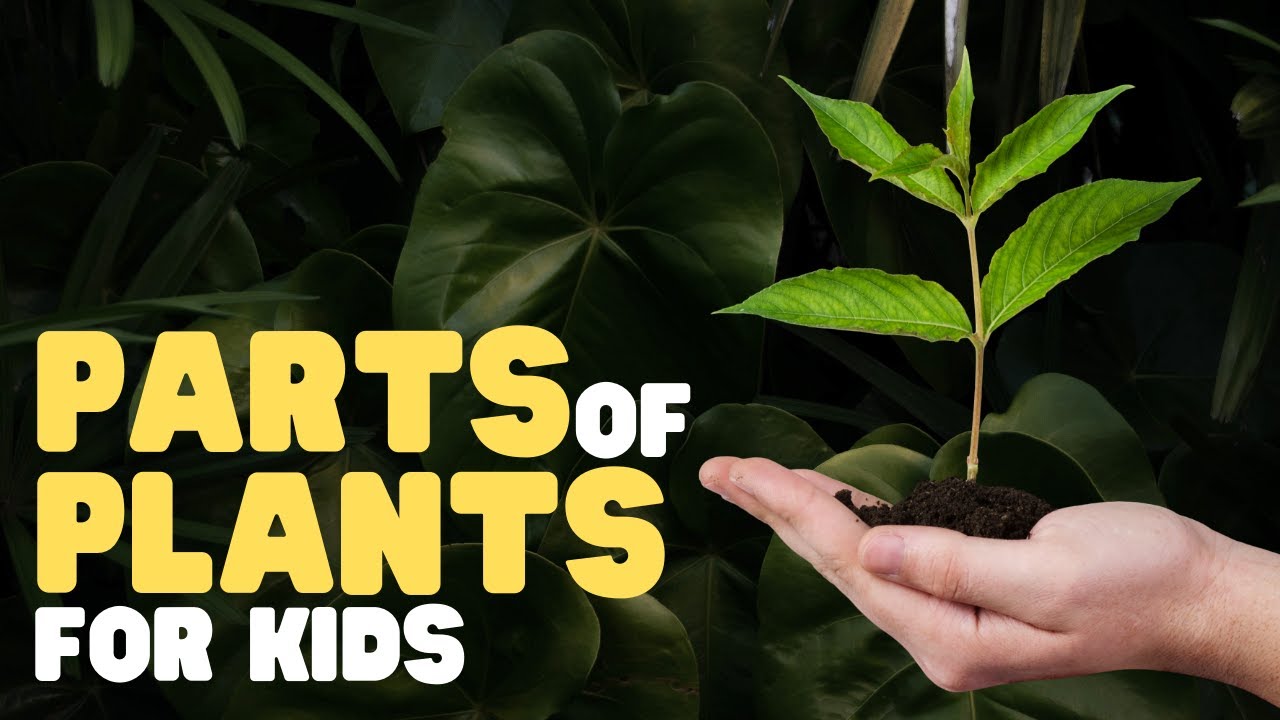
Now Playing
Parts of Plants for Kids | Learn all about plant parts and their functions
Learn about all ...
Learn about all of the parts of a plant in this fun introduction video for kids. Students will learn about Roots, Stem, Leaves, Flowers, Seed and more! We learn ...how each of these parts of plants function, help plants grow and eventually create new plants. If you're looking for additional parts of a plant resources for your child or student visit us at the link below and download our free comprehensive lesson plan. https://learnbright.org/lessons/science/plant-parts/
Check out some of our other plant-related videos here:
Trees: https://youtu.be/uipjCTg_PqQ
Photosynthesis: https://youtu.be/Iln136eMl4g
How Plants Grow: https://youtu.be/u46A0WKp2nk
Thank you for watching and learning with us! We’re constantly releasing new content and videos, so click that “Subscribe” button and you’ll get notified.
Find and Follow Us Online:
Facebook: https://www.facebook.com/LearnBright/
Instagram: https://instagram.com/LearnBrightEducation
Pinterest: https://pinterest.com/LearnBrightEducation
YouTube: https://www.youtube.com/LearnBright
Website: https://learnbright.org/
*Teachers and Parents! Did you know? In addition to these great videos, we have also created a library of high quality and engaging lessons for your elementary aged student(s). Visit us, sign up for a free account, and instantly you'll have access to thousands of lesson plans, learning materials, teaching instructions, activities, and assignments that your kids will really enjoy! We hope to see you soon!
Browse our entire collection of Science lesson plans: https://learnbright.org/lessons/?filter_subject=science
#PartsOfPlantsForKids
#PlantsShow More
Check out some of our other plant-related videos here:
Trees: https://youtu.be/uipjCTg_PqQ
Photosynthesis: https://youtu.be/Iln136eMl4g
How Plants Grow: https://youtu.be/u46A0WKp2nk
Thank you for watching and learning with us! We’re constantly releasing new content and videos, so click that “Subscribe” button and you’ll get notified.
Find and Follow Us Online:
Facebook: https://www.facebook.com/LearnBright/
Instagram: https://instagram.com/LearnBrightEducation
Pinterest: https://pinterest.com/LearnBrightEducation
YouTube: https://www.youtube.com/LearnBright
Website: https://learnbright.org/
*Teachers and Parents! Did you know? In addition to these great videos, we have also created a library of high quality and engaging lessons for your elementary aged student(s). Visit us, sign up for a free account, and instantly you'll have access to thousands of lesson plans, learning materials, teaching instructions, activities, and assignments that your kids will really enjoy! We hope to see you soon!
Browse our entire collection of Science lesson plans: https://learnbright.org/lessons/?filter_subject=science
#PartsOfPlantsForKids
#PlantsShow More
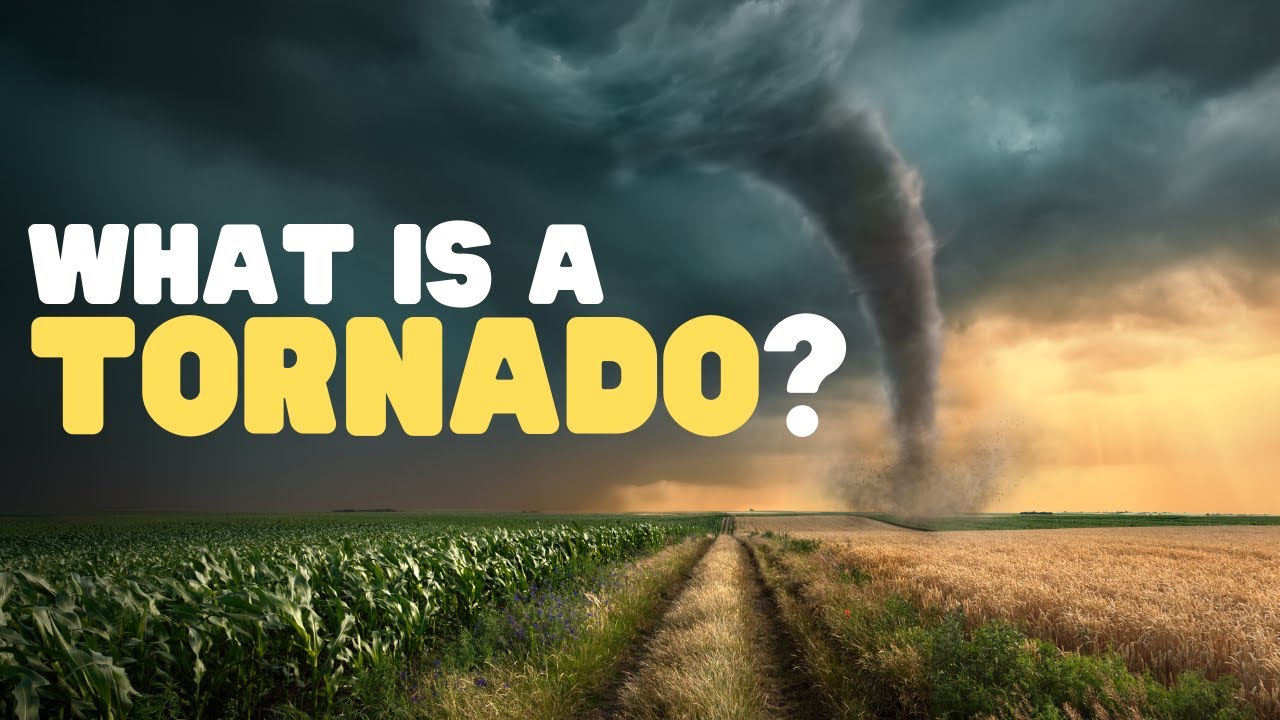
Now Playing
What Is a Tornado? | How do tornados form? Tornados for kids
Hey kids! Today ...
Hey kids! Today we're asking, what a tornado is and how it forms.
This video teachings interesting facts all about tornados including:
How tornados are formed, the Enhanced Fujita ...Scale that measures tornados based on speeds and damage, how fast tornadoes can go, and maybe most importantly we learn about the possible warning signs of tornados that will help keep you safe if you are close to a storm.
Looking for more Tornado or Natural Disaster resources? Download our free comprehensive lesson plan here: https://learnbright.org/lessons/science/natural-disasters/
Thank you for watching and learning with us! We’re constantly releasing new content and videos, so click that “Subscribe” button and you’ll get notified.
Find and Follow Us Online:
Facebook: https://www.facebook.com/LearnBright/
Instagram: https://instagram.com/LearnBrightEducation
Pinterest: https://pinterest.com/LearnBrightEducation
YouTube: https://www.youtube.com/LearnBright
Website: https://learnbright.org/
*Teachers and Parents! Did you know? In addition to these great videos, we have also created a library of high quality and engaging lessons for your elementary aged student(s). Visit us, sign up for a free account, and instantly you'll have access to thousands of lesson plans, learning materials, teaching instructions, activities, and assignments that your kids will really enjoy! We hope to see you soon!
Watch our Video about Hurricanes Here: https://youtu.be/vP2z8QAmQAQ
Browse our entire collection of Science lesson plans: https://learnbright.org/lessons/?filter_subject=science
#Tornado #NaturalDisastersShow More
This video teachings interesting facts all about tornados including:
How tornados are formed, the Enhanced Fujita ...Scale that measures tornados based on speeds and damage, how fast tornadoes can go, and maybe most importantly we learn about the possible warning signs of tornados that will help keep you safe if you are close to a storm.
Looking for more Tornado or Natural Disaster resources? Download our free comprehensive lesson plan here: https://learnbright.org/lessons/science/natural-disasters/
Thank you for watching and learning with us! We’re constantly releasing new content and videos, so click that “Subscribe” button and you’ll get notified.
Find and Follow Us Online:
Facebook: https://www.facebook.com/LearnBright/
Instagram: https://instagram.com/LearnBrightEducation
Pinterest: https://pinterest.com/LearnBrightEducation
YouTube: https://www.youtube.com/LearnBright
Website: https://learnbright.org/
*Teachers and Parents! Did you know? In addition to these great videos, we have also created a library of high quality and engaging lessons for your elementary aged student(s). Visit us, sign up for a free account, and instantly you'll have access to thousands of lesson plans, learning materials, teaching instructions, activities, and assignments that your kids will really enjoy! We hope to see you soon!
Watch our Video about Hurricanes Here: https://youtu.be/vP2z8QAmQAQ
Browse our entire collection of Science lesson plans: https://learnbright.org/lessons/?filter_subject=science
#Tornado #NaturalDisastersShow More

Now Playing
Dinosaurs for Kids | Learn about Dinosaur History, Fossils, Dinosaur Extinction and more!
Dinosaurs for ...
Dinosaurs for Kids is a fun and comprehensive look at dinosaur history. In this video we highlight the various kinds of dinosaurs, talk about how they receive their names, famous ...dinosaur fossils, and we talk about the people who find dinosaur fossils: Paleontologists.
We think that one of the most fascinating creatures to ever roam the Earth was the dinosaur. You most likely have heard of dinosaurs, seen pictures of them on TV or the Internet, or may have seen their bones in a museum. Dinosaurs are an interesting group of animals that no longer exist, meaning they are extinct. Dinosaurs evolved, meaning they changed, over millions of years.
In this dinosaur for kids video we also talk about how the dinosaurs’ extinction took place about 66 million years ago and 75% of all life on Earth died. There are many theories or guesses as to what may have happened leading to the extinction. They include worldwide volcanic eruptions, changes in the Earth’s climate, or perhaps a meteorite from space smashing into the Earth.
If you're looking for more Dinosaur resources check out our FREE comprehensive lesson plan complete with fun activities, worksheets, quizzes and more! The free dinosaur lesson can be found at: https://learnbright.org/lessons/science/dinosaurs/
Check out some of our other dinosaur-related videos here:
Extinction: https://youtu.be/ogLFEq1X0RM
Dinosaur Facts: https://youtu.be/Q5z5C1MFmT8
T-Rex Facts: https://youtu.be/wOulvIK-brM
Fossils: https://youtu.be/tyOjxjFHW-c
Extinct and Endangered Animals: https://youtu.be/E5cVr3HdLa4
Thank you for watching and learning with us! We’re constantly releasing new content and videos, so click that “Subscribe” button and you’ll get notified.
Find and Follow Us Online:
Facebook: https://www.facebook.com/LearnBright/
Instagram: https://instagram.com/LearnBrightEducation
Pinterest: https://pinterest.com/LearnBrightEducation
YouTube: https://www.youtube.com/LearnBright
Website: https://learnbright.org/
*Teachers and Parents! Did you know? In addition to these great videos, we have also created a library of high quality and engaging lessons for your elementary aged student(s). Visit us, sign up for a free account, and instantly you'll have access to thousands of lesson plans, learning materials, teaching instructions, activities, and assignments that your kids will really enjoy! We hope to see you soon!
Browse our entire collection of Science lesson plans: https://learnbright.org/lessons/?filter_subject=science
#DinosaursShow More
We think that one of the most fascinating creatures to ever roam the Earth was the dinosaur. You most likely have heard of dinosaurs, seen pictures of them on TV or the Internet, or may have seen their bones in a museum. Dinosaurs are an interesting group of animals that no longer exist, meaning they are extinct. Dinosaurs evolved, meaning they changed, over millions of years.
In this dinosaur for kids video we also talk about how the dinosaurs’ extinction took place about 66 million years ago and 75% of all life on Earth died. There are many theories or guesses as to what may have happened leading to the extinction. They include worldwide volcanic eruptions, changes in the Earth’s climate, or perhaps a meteorite from space smashing into the Earth.
If you're looking for more Dinosaur resources check out our FREE comprehensive lesson plan complete with fun activities, worksheets, quizzes and more! The free dinosaur lesson can be found at: https://learnbright.org/lessons/science/dinosaurs/
Check out some of our other dinosaur-related videos here:
Extinction: https://youtu.be/ogLFEq1X0RM
Dinosaur Facts: https://youtu.be/Q5z5C1MFmT8
T-Rex Facts: https://youtu.be/wOulvIK-brM
Fossils: https://youtu.be/tyOjxjFHW-c
Extinct and Endangered Animals: https://youtu.be/E5cVr3HdLa4
Thank you for watching and learning with us! We’re constantly releasing new content and videos, so click that “Subscribe” button and you’ll get notified.
Find and Follow Us Online:
Facebook: https://www.facebook.com/LearnBright/
Instagram: https://instagram.com/LearnBrightEducation
Pinterest: https://pinterest.com/LearnBrightEducation
YouTube: https://www.youtube.com/LearnBright
Website: https://learnbright.org/
*Teachers and Parents! Did you know? In addition to these great videos, we have also created a library of high quality and engaging lessons for your elementary aged student(s). Visit us, sign up for a free account, and instantly you'll have access to thousands of lesson plans, learning materials, teaching instructions, activities, and assignments that your kids will really enjoy! We hope to see you soon!
Browse our entire collection of Science lesson plans: https://learnbright.org/lessons/?filter_subject=science
#DinosaursShow More

Now Playing
Volcanoes for Kids | A fun and engaging introduction to volcanoes for children
Our Volcanoes ...
Our Volcanoes for Kids video is a fun and engaging way to introduce volcanoes to children. In this video kids will learn all about volcanoes and take away ...some fun interesting facts everyone should know.
We learn what a volcano is, the difference between Magma and Lava, the different types of volcanoes, where they located, and much much more! We hope you enjoy our volcanoes for kids video.
Check out some of our other videos related to natural disasters here:
Plate Tectonics: https://youtu.be/bVn04eJRjV4
Earthquakes & Tsunamis: https://youtu.be/Q-v-G1iL67w
Hurricanes: https://youtu.be/vP2z8QAmQAQ
Tornados: https://youtu.be/-swnFV_3tVc
Weather: https://youtu.be/nNmWAo0kDGk
Thank you for watching and learning with us! We’re constantly releasing new content and videos, so click that “Subscribe” button and you’ll get notified.
Find and Follow Us Online:
Facebook: https://www.facebook.com/LearnBright/
Instagram: https://instagram.com/LearnBrightEducation
Pinterest: https://pinterest.com/LearnBrightEducation
YouTube: https://www.youtube.com/LearnBright
Website: https://learnbright.org/
*Teachers and Parents! Did you know? In addition to these great videos, we have also created a library of high quality and engaging lessons for your elementary aged student(s). Visit us, sign up for a free account, and instantly you'll have access to thousands of lesson plans, learning materials, teaching instructions, activities, and assignments that your kids will really enjoy! We hope to see you soon!
Browse our entire collection of Science lesson plans: https://learnbright.org/lessons/?filter_subject=science
Want to learn more? Download our free lesson plan full of worksheets and activities here: https://learnbright.org/lessons/science/earthquakes-and-volcanoes/
#VolcanoesforKids
#NaturalDisastersShow More
We learn what a volcano is, the difference between Magma and Lava, the different types of volcanoes, where they located, and much much more! We hope you enjoy our volcanoes for kids video.
Check out some of our other videos related to natural disasters here:
Plate Tectonics: https://youtu.be/bVn04eJRjV4
Earthquakes & Tsunamis: https://youtu.be/Q-v-G1iL67w
Hurricanes: https://youtu.be/vP2z8QAmQAQ
Tornados: https://youtu.be/-swnFV_3tVc
Weather: https://youtu.be/nNmWAo0kDGk
Thank you for watching and learning with us! We’re constantly releasing new content and videos, so click that “Subscribe” button and you’ll get notified.
Find and Follow Us Online:
Facebook: https://www.facebook.com/LearnBright/
Instagram: https://instagram.com/LearnBrightEducation
Pinterest: https://pinterest.com/LearnBrightEducation
YouTube: https://www.youtube.com/LearnBright
Website: https://learnbright.org/
*Teachers and Parents! Did you know? In addition to these great videos, we have also created a library of high quality and engaging lessons for your elementary aged student(s). Visit us, sign up for a free account, and instantly you'll have access to thousands of lesson plans, learning materials, teaching instructions, activities, and assignments that your kids will really enjoy! We hope to see you soon!
Browse our entire collection of Science lesson plans: https://learnbright.org/lessons/?filter_subject=science
Want to learn more? Download our free lesson plan full of worksheets and activities here: https://learnbright.org/lessons/science/earthquakes-and-volcanoes/
#VolcanoesforKids
#NaturalDisastersShow More
